
Fleece Liners vs Paper Bedding & Wood Shavings
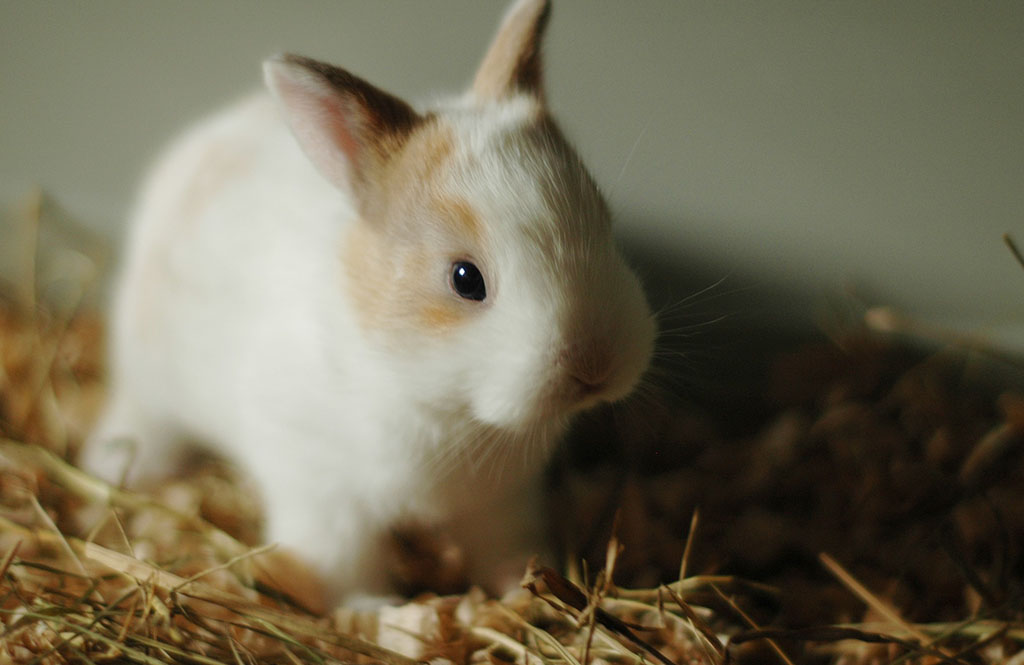
Fleece Liners vs Paper Bedding vs Wood Shavings: Which Is Best for Rabbits and Guinea Pigs?
At Teacup Nethies, we make fleece cage liners, so it would be easy for us to simply say fleece is always the best choice. But every home, enclosure and cleaning routine is different.
Fleece liners are an excellent long-term option for many indoor rabbits and guinea pigs, particularly if you want less scattered bedding and do not mind regular washing. Paper bedding is convenient and absorbent, while carefully selected wood shavings can also work when they are clean, low-dust and suitable for the species.
The most important thing is not choosing the trendiest bedding. It is providing a solid, non-slip surface that stays clean, dry and comfortable.
The quick answer
- Choose fleece liners if you want reusable bedding, easier daily spot cleaning and less loose material around the enclosure.
- Choose paper bedding if you prefer disposable bedding, want a soft material and do not mind the ongoing cost.
- Choose suitable wood shavings if affordability and accessibility are important, provided the product is low-dust and specifically suitable for small pets.
- Use a combination if different areas of the enclosure have different needs. Many rabbit and guinea pig homes work best with a liner across the main floor and disposable litter in toilet or hay areas.
No bedding option removes the need for regular cleaning.
Bedding and hay are not the same thing
Before comparing the options, it is important to separate bedding from food.
Hay should always remain an essential part of a rabbit or guinea pig’s diet. Replacing loose floor bedding with a fleece liner does not mean removing hay from the enclosure.
Many owners use fleece across the main floor and keep hay in a separate kitchen, tray or feeding area. This can help contain the mess while still giving pets constant access to the hay they need.
Fleece liners, paper bedding and wood shavings compared
| Consideration | Fleece liners | Paper bedding | Wood shavings |
| Initial cost | Higher | Lower | Usually lower |
| Ongoing purchases | Low when liners last well | Regular | Regular |
| Daily maintenance | Sweep or vacuum droppings and hay | Remove wet and dirty patches | Remove wet and dirty patches |
| Full cleaning | Machine washing and drying | Remove and replace | Remove and replace |
| Loose mess | Low | Moderate | Often higher |
| Storage needed | Spare liners | Bags of bedding | Bags or bales of bedding |
| Dust | The liner itself does not create bedding dust | Depends on quality | Depends heavily on quality |
| Waste | Reusable, but requires washing | Regular disposable waste | Regular disposable waste |
| Best suited to | Indoor enclosures and owners comfortable with laundry | Owners wanting convenient disposable bedding | Owners with access to a safe, low-dust product |
How fleece cage liners work
Fleece does not hold moisture on its surface in the same way cotton does. Once properly prepared, it allows liquid to pass through to an absorbent layer underneath.
A properly working liner should leave the surface feeling dry while the absorbent core holds the moisture below.
Teacup Nethies liners are fully sewn with fleece on both sides and a 5 mm absorbent cotton core inside. They do not have a waterproof plastic backing, which means they remain reversible and can be used on either side.
Benefits of fleece liners
Fleece liners can be a practical choice because they:
- Are washable and reusable
- Create a soft, flat surface
- Do not scatter around the room like loose bedding
- Make droppings, uneaten food and wet areas easier to see
- Can be swept, vacuumed or shaken during daily cleaning
- Are available in fitted and custom sizes
- Can be coordinated with potty pads, beds, tunnels and other accessories
- Reduce the need to repeatedly purchase and dispose of loose bedding
A liner that fits the enclosure properly is also less likely to bunch up or leave exposed slippery areas around the edges.
Things to consider before choosing fleece
Fleece is not maintenance-free.
Droppings, leftover food and hay remain visible on the surface, so the enclosure will need spot cleaning every day or every second day. The full liner will also need to be washed regularly.
How long a liner lasts between washes depends on:
- The number and type of pets
- The enclosure size
- Where they prefer to urinate
- Whether litter trays or potty pads are used
- The temperature and ventilation
- How thoroughly the liner was prepared before use
For many homes, a full change every five to seven days works well, but heavily used areas may need attention sooner. If the liner feels damp or the enclosure begins to smell, it should be changed rather than waiting for a particular day.
Fleece may also be unsuitable for a pet that repeatedly chews and consumes fabric. Always inspect liners and accessories for damage.
What is paper bedding like?
Paper bedding is usually made from processed paper fibres or compressed recycled-paper pellets. The texture, dust level and absorbency can differ considerably between products.
Soft paper bedding is often used across guinea pig enclosures, while paper pellets are commonly used in rabbit litter trays and high-traffic toilet areas.
Benefits of paper bedding
Paper bedding can be:
- Soft and absorbent
- Convenient to remove and replace
- Useful in litter trays and hay areas
- Easier for people who do not want to wash pet bedding
- Available in different textures and pack sizes
It can be especially useful when you need to change a small toilet area more frequently than the rest of the enclosure.
Things to consider with paper bedding
Paper bedding is an ongoing purchase. Large enclosures or homes with several pets can use a considerable amount over a year.
Wet areas must still be removed frequently. Damp paper can compact, become uncomfortable and contribute to odour when it is left too long.
Paper may also be tracked outside the enclosure, become mixed through hay or stick to nearby fleece accessories. The amount of dust varies, so look for an unscented, low-dust product intended for rabbits or guinea pigs.
Are wood shavings safe?
Wood shavings should not all be treated as one identical product. Their quality, wood source, processing and dust level can vary greatly.
Some welfare guidance accepts clean, dry and dust-extracted wood shavings, while warning against cedar, sawdust, unidentified woods and dusty or strongly aromatic products.
If you use wood shavings:
- Choose bedding clearly labelled as suitable for the species
- Avoid sawdust and visibly dusty products
- Avoid cedar and unidentified aromatic woods
- Do not use treated, painted or fragranced wood
- Remove wet areas every day
- Replace the bedding before it becomes damp or develops an ammonia smell
- Ask an experienced rabbit or guinea pig veterinarian if you are uncertain about a particular product
Benefits of suitable wood shavings
Wood shavings can be:
- Readily available
- Relatively affordable to purchase initially
- Absorbent when used at a suitable depth
- Useful for pets that enjoy moving through loose substrate
- Compostable in some circumstances, depending on the product and local requirements
Things to consider with wood shavings
Shavings can spread beyond the enclosure and require storage for bulky bags or bales. Quality can also vary considerably between brands.
Wet patches may be hidden beneath the surface, so they need to be checked rather than relying on how the top layer looks. Loose shavings also need to be fully removed and replaced regularly, creating an ongoing expense and more waste.
Which option is cheapest?
There is no honest universal figure because enclosure sizes, bedding depths, washing costs and cleaning frequency vary.
The fairest way to compare the options is over at least 12 months.
Calculating disposable bedding costs
Use this formula:
Cost per bag × number of bags used each month × 12
For example, if a bag costs $30 and you use two bags each month:
$30 × 2 × 12 = $720 per year
This is only an example. Replace the figures with the price and usage for your own enclosure.
You should also consider:
- Delivery or travel costs
- Storage space
- Bin space or disposal
- The time spent removing and replacing loose bedding
Calculating fleece liner costs
For fleece, calculate:
Initial cost of your liners + detergent, water and electricity used for washing
The initial purchase is higher, but a well-cared-for liner can be reused many times. In following years, the main expense is washing and eventually replacing liners that have become worn or damaged.
For the easiest rotation, we generally recommend having three liners:
- One in the enclosure
- One being washed or dried
- One clean spare ready to use
Two liners can still work if they dry quickly and you keep a temporary backup available.
What is the most comfortable bedding?
Comfort depends on more than whether something feels soft to our hands.
Whichever bedding you choose should provide:
- A solid floor without exposed wire
- A dry surface
- Secure footing
- Enough space for normal movement
- Clean resting areas
- Protection from temperature extremes
- Regular removal of urine, droppings and spoiled food
Guinea pigs need a soft surface across their main living area. For indoor rabbits, a combination often works well: a secure, non-slip liner or rug across the living space, with appropriate disposable litter in their toilet area.
Some rabbits will dig, pull or chew fabric. Monitor them when introducing fleece and remove it if they are swallowing pieces.
If you notice redness, swelling, hair loss, urine staining, sore feet or changes in movement, contact a rabbit- or guinea pig-experienced veterinarian. Changing bedding should not replace veterinary care.
Which bedding is best for guinea pigs?
Fleece is particularly useful for indoor guinea pig enclosures when the owner can commit to daily spot cleaning and regular washing.
It provides a flat surface, makes mess easy to see and works well with smaller potty pads placed beneath beds, water bottles and other frequently used areas.
Paper bedding or suitable shavings may be preferable if you:
- Cannot regularly wash and dry large liners
- Prefer to remove and replace bedding
- Have suitable storage and disposal space
- Want to provide deeper loose substrate in part of the enclosure
A combination is also possible. You might use fleece across the main floor and disposable bedding in a contained hay kitchen.
Which bedding is best for rabbits?
Rabbits do not necessarily require loose bedding across their entire indoor enclosure.
They need a solid, non-slip living surface, comfortable resting areas and a separate toilet space. A fleece liner can provide coverage and comfort across the main area, while paper pellets or another rabbit-safe litter can be used in the litter tray.
For rabbits that are still learning to use a litter tray, washable liners and smaller potty pads can make accidents easier to manage.
However, fleece should not be used unsupervised if a rabbit is determined to chew and swallow it.
Our honest verdict
There is no single bedding that suits every rabbit, guinea pig or household.
Paper bedding and carefully selected wood shavings can both work when they are kept clean, dry and regularly replaced. Fleece liners require daily maintenance and washing, but they can reduce scattered bedding, make spot cleaning simpler and remove the need to continually buy full-floor disposable bedding.
For many indoor homes, the most practical setup is a combination:
- A washable fleece liner across the main floor
- Potty pads in frequently used areas
- Suitable disposable litter in toilet or hay zones
- Constant access to clean hay for eating
We first began using washable liners with our own pets because we wanted a cleaner and more manageable alternative to loose floor bedding. That experience eventually led to the Teacup Nethies liner range.
Our handmade fleece cage liners are available in more than 100 sizes, including custom measurements, and are made here on the Mid North Coast of NSW.
If you already use fleece, follow our step-by-step fleece cleaning guide to help your liners stay absorbent and last longer.
Frequently asked questions
Does a fleece liner replace hay?
No. A liner replaces loose material used across the floor. Rabbits and guinea pigs still require constant access to suitable hay as an essential part of their diet.
Do new fleece liners need to be washed before use?
Yes. Teacup Nethies liners need to be washed at least three times before their first use to remove the manufacturing finish from the fleece. Do not use fabric softener or dryer sheets. Test the liner with a small amount of water before placing it in the enclosure.
How often should fleece liners be changed?
Many liners last approximately five to seven days, but this varies. Spot clean daily and change the liner sooner if it becomes damp, dirty or develops an odour.
Are fleece liners completely mess-free?
No bedding option is completely mess-free. Fleece reduces scattered floor bedding, but hay, hair, droppings and food still need to be removed regularly.
Are fleece liners suitable all year?
Fleece liners can be used throughout the year when the enclosure is kept in a safe, temperature-controlled environment. Bedding alone cannot protect rabbits or guinea pigs from extreme heat or cold.
Sources and further reading